Levels, live
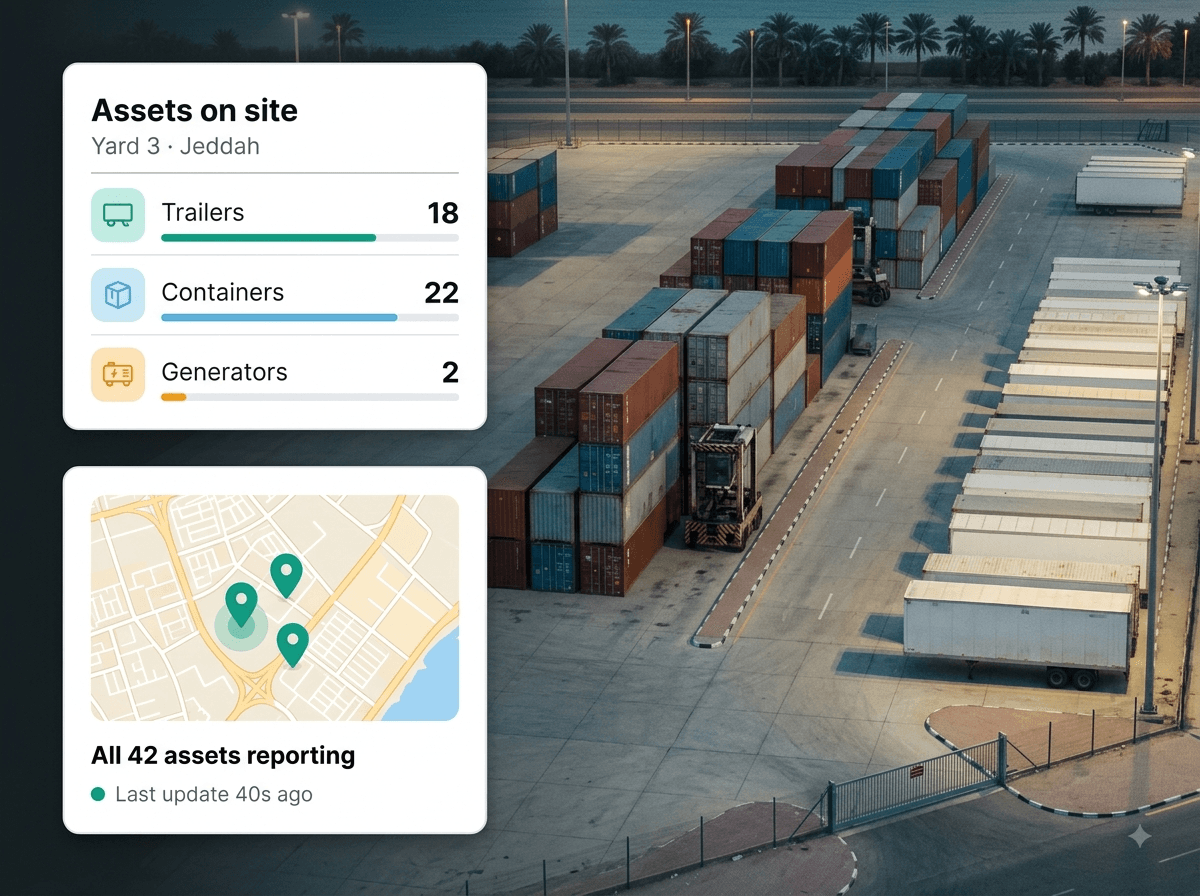
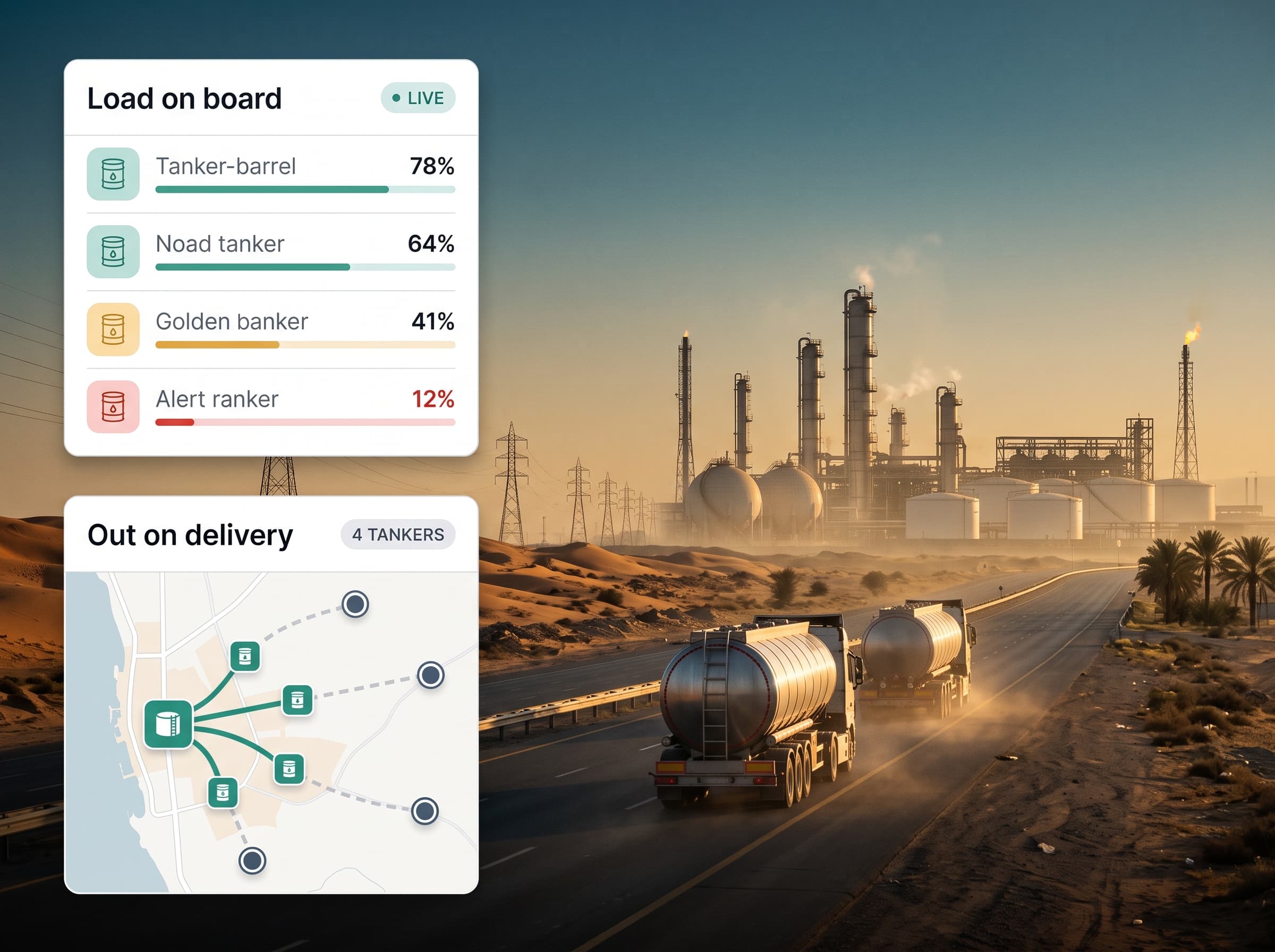
Every monitored tanker and tank reports its level continuously — the whole network on one map, colour-coded by urgency.
Fill-Level Monitoring
Fill-level sensors stream live volume into Pulse — petroleum and water tankers on the road, storage tanks across compounds and facilities, silos and bins on site. Refills and collections get scheduled on real need, and nothing runs dry or runs over unannounced.
Live
level on every tank and tanker
Equipment Management
Real workflows from the portal and the field — not feature checklists.
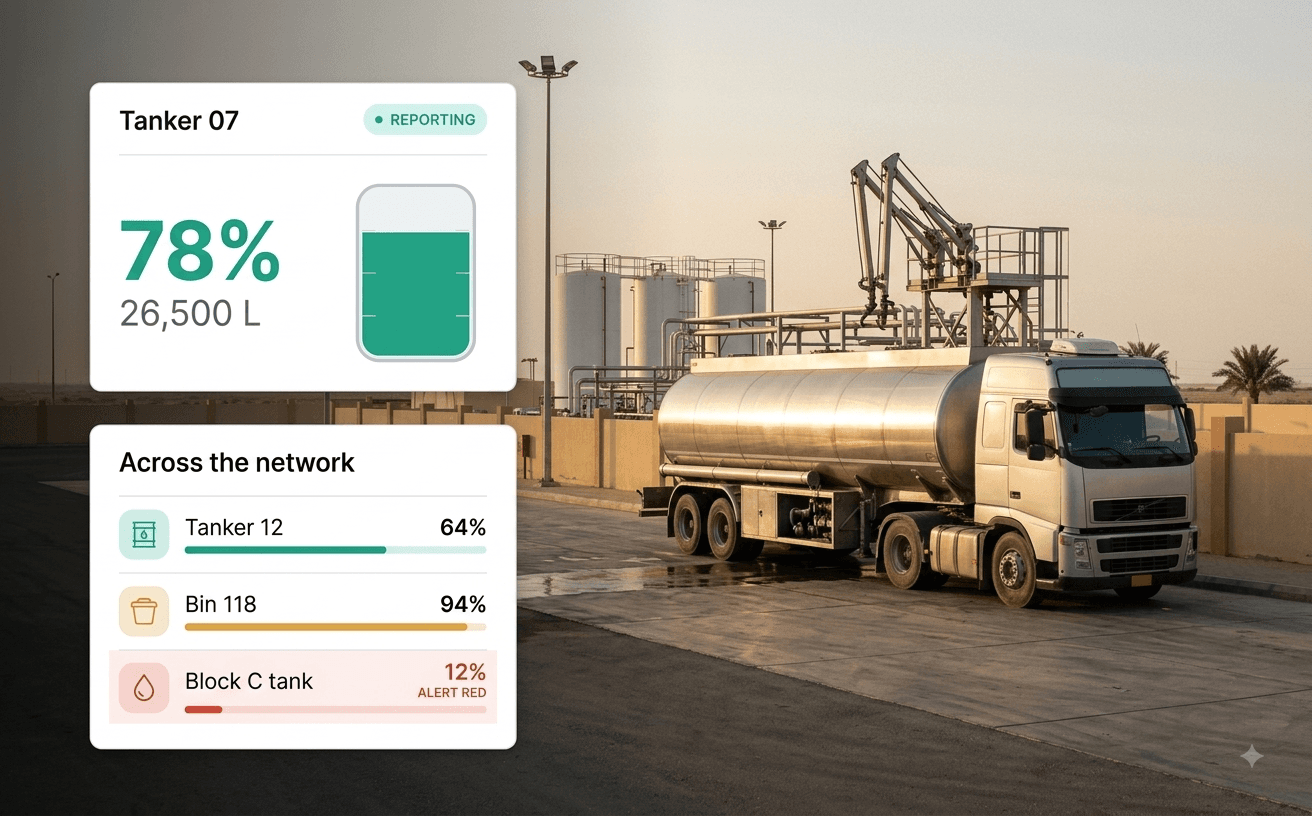
Ultrasonic sensors report level around the clock.
Petroleum and water tankers, compound and rooftop storage tanks, silos, and waste bins all report their level continuously. The whole network sits on one map, colour-coded by urgency, with history and trend per unit.
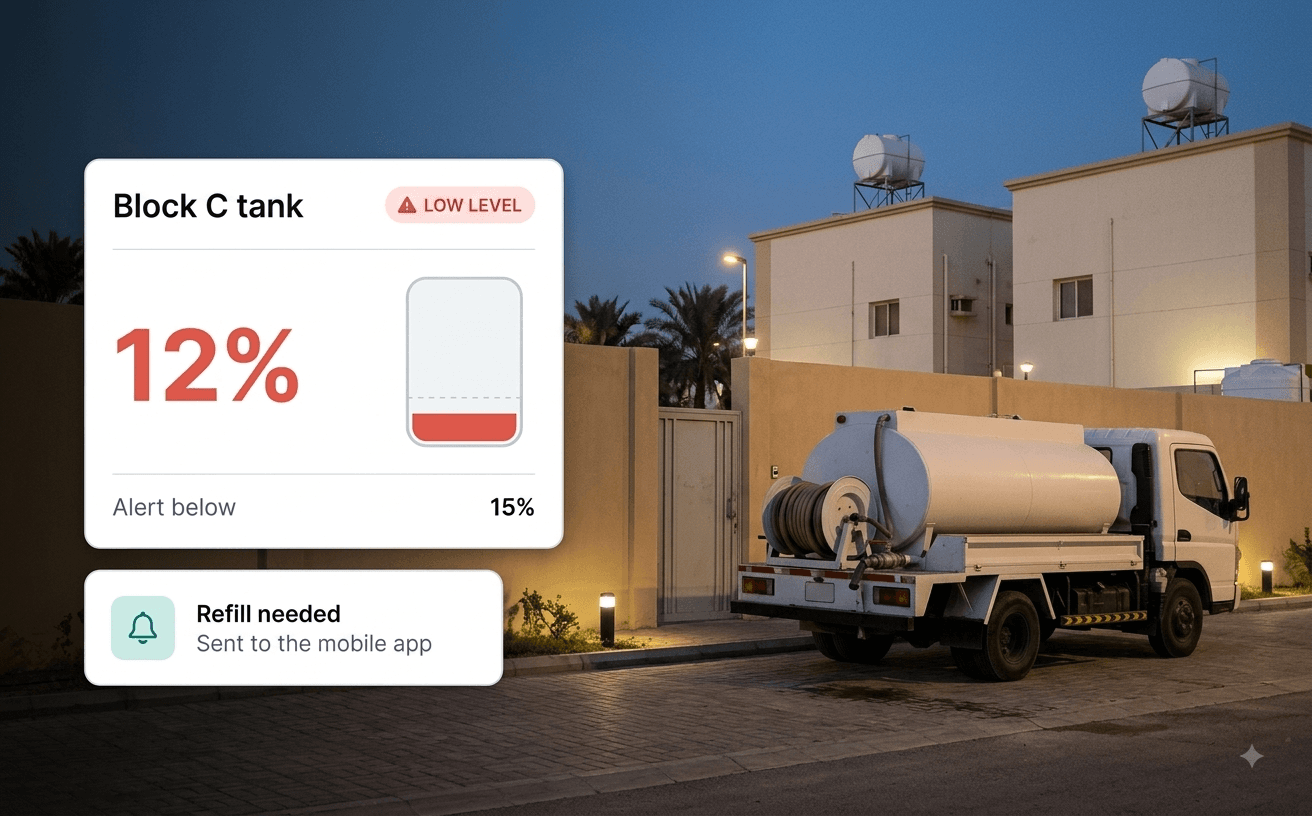
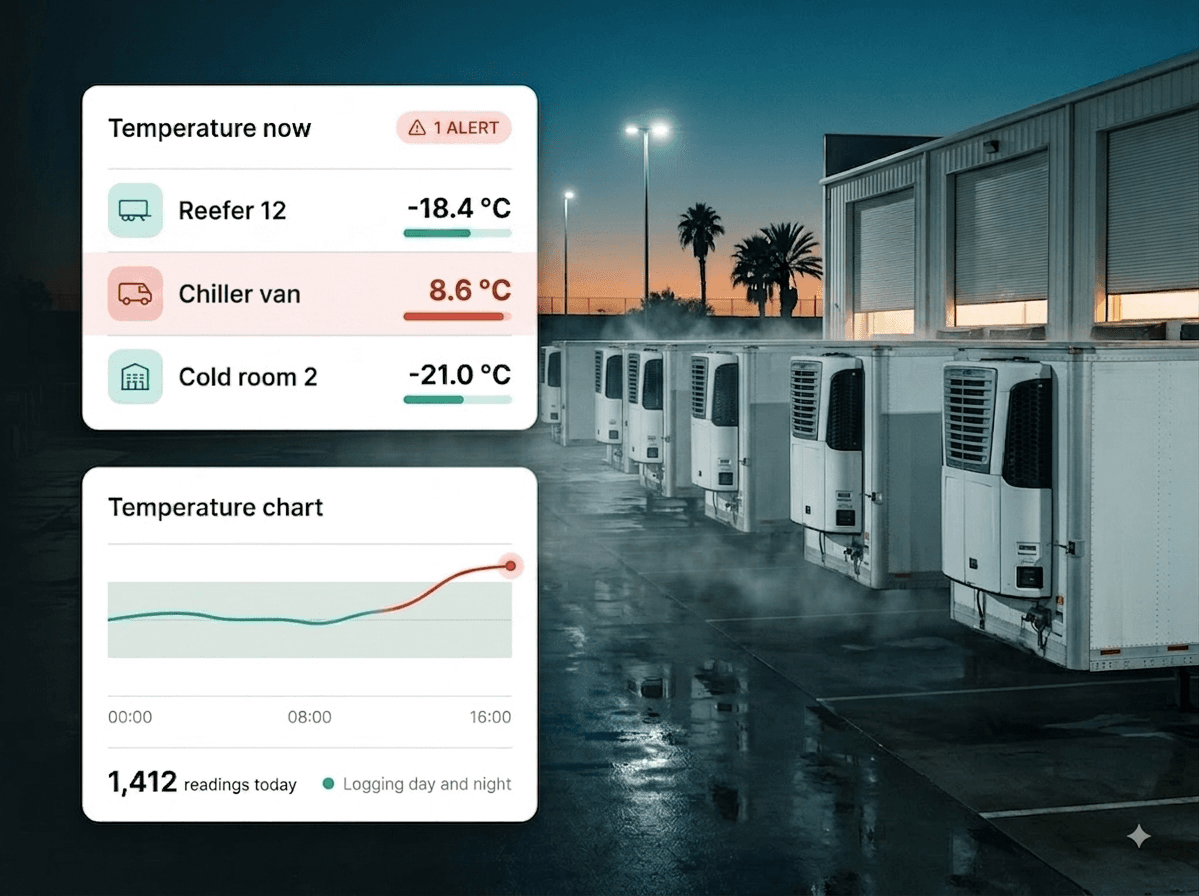
Thresholds warn before a tank runs dry or over.
Set a low threshold on a compound's water tank or a site's fuel store and dispatch a refill before anyone notices. Set a high one on a bin or a receiving tank and act before it overflows. Sensor health rides along, so a silent unit is flagged instead of trusted.
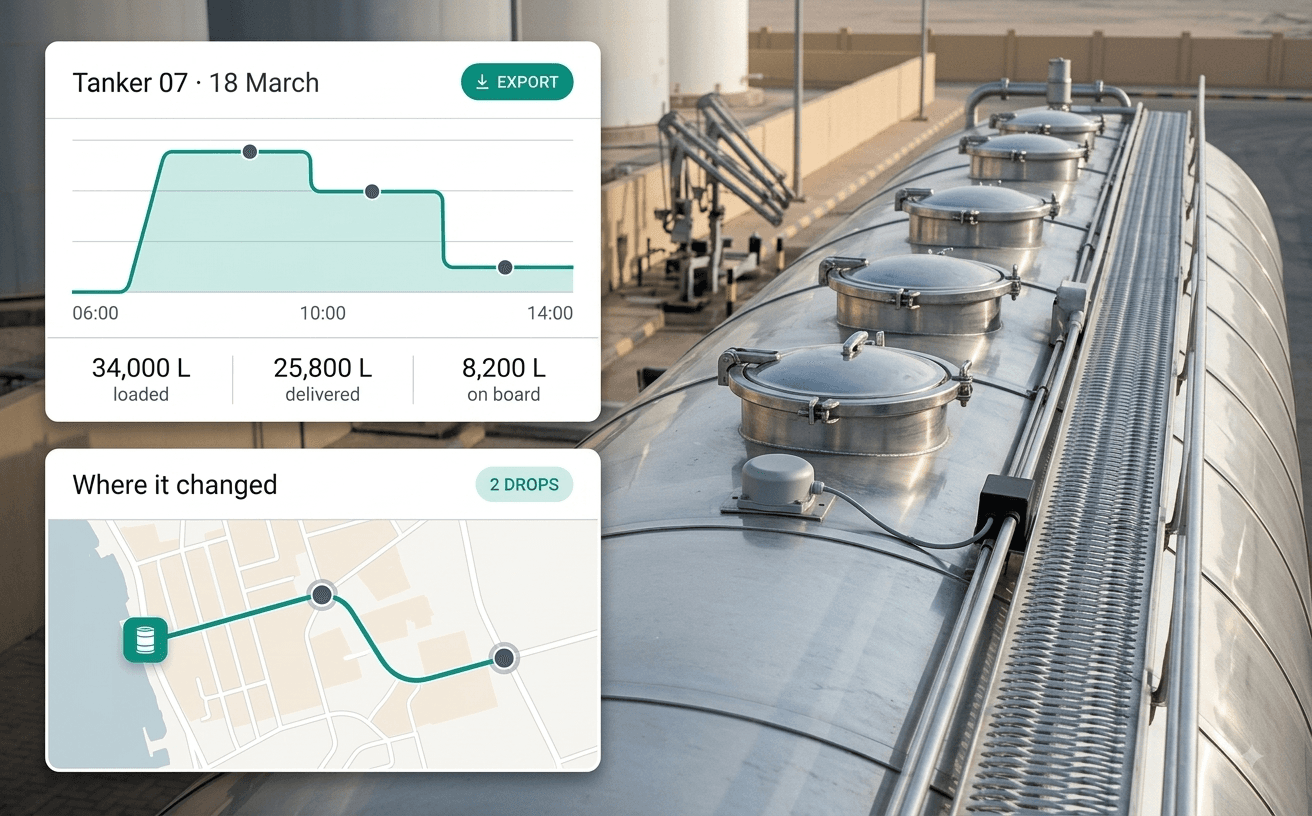
Every reading stamped with time and position.
Level and GPS share one timeline, so a change in volume can be read against where the vehicle was and when. Loading at the terminal, the run out, and each drop along the way sit on the same chart — exportable for the customer who asked what arrived.
How it works
Ultrasonic units fit a tanker compartment, a storage tank, a silo, or a bin, and register to a vehicle or a site.
Levels update on the live map alongside position, with history, trends, and threshold states per unit.
Dispatch refills and collections to what is actually low or full, and prove every drop with exportable reports.
What you get
Every capability below ships in the same portal, the same mobile app, and the same live data pipeline as the rest of your operation.
Every monitored tanker and tank reports its level continuously — the whole network on one map, colour-coded by urgency.
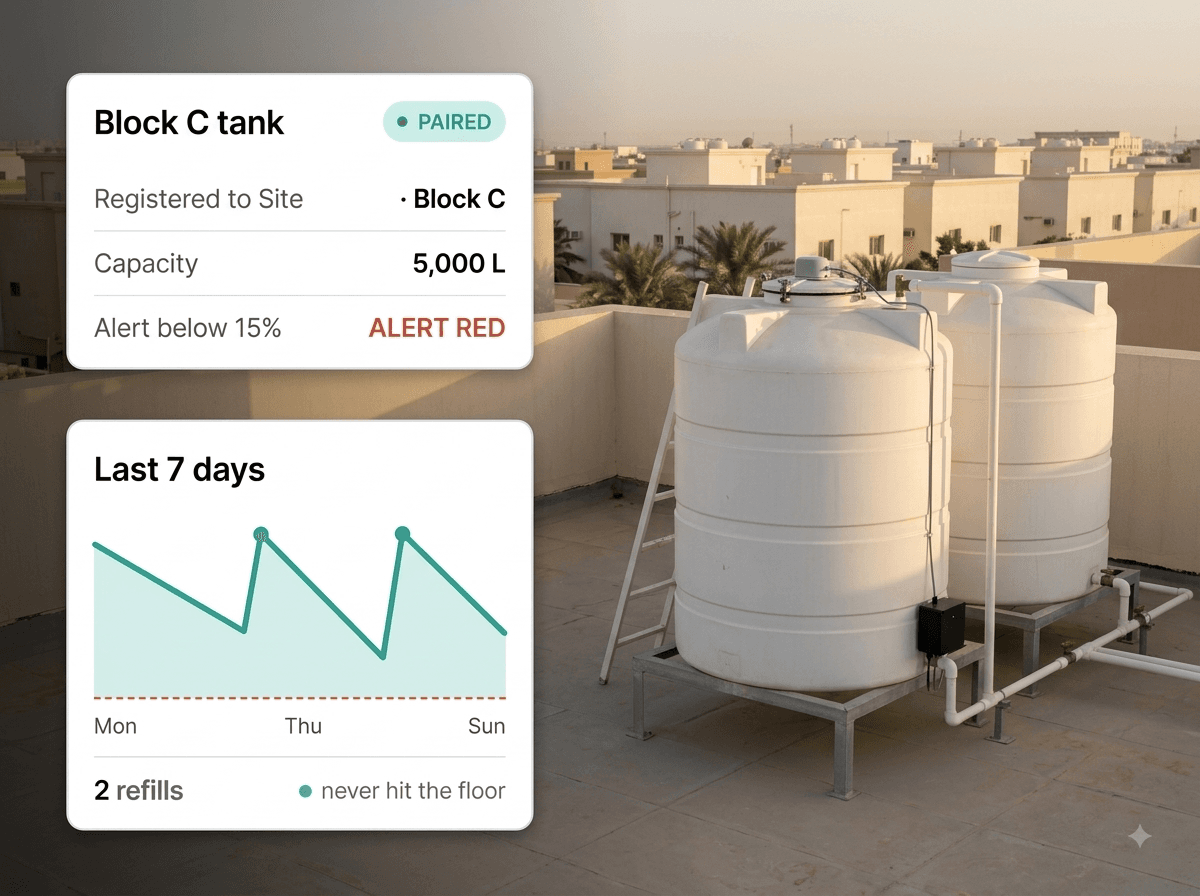
Low thresholds on fuel and water storage give operations time to schedule a refill instead of taking an emergency call.
Readings carry position and time, so a volume change is always answerable: where the tanker was, and when it happened.
Refill runs and collection routes are built from real levels rather than a fixed calendar, cutting journeys nobody needed.
FAQ
Short answers now — detailed ones on a call whenever you're ready.

Discuss your deployment
Sovereign-data-friendly. Enterprise multi-org architecture. Built to integrate with the devices, SIM providers, and back-office systems you already run.